Sleep Medicine

Sleep Medicine

Sleep is crucial for maintaining good health.

Contact our office today, no referral required.

WCLT Radio T100 with Dr. Laurie Mooney, Sleep Specialist

Sleep Medicine

Sleep is crucial for maintaining good health.

It helps us feel good and stay strong. When people get good sleep, they can handle sickness better and feel happier. They can also maintain a healthy weight and make more informed choices.

The Sleep Medicine Department at Knox Community Hospital offers a wide range of in-lab and at-home sleep services to adults 18 years and older, including: 

Diagnosis and treatment of all sleep disorders, including:

  • Sleep apnea
  • Snoring
  • Insomnia
  • Hypersomnia (excessive sleepiness)
  • Fatigue
  • Restless legs
  • Narcolepsy
  • Sleep behaviors, and more.

Below are some tips on why it's essential to get better sleep.

Brain Health and Cognitive Decline

Sleep is essential for brain health. Getting enough sleep helps in several ways. It lowers the risk of memory loss and helps produce new brain cells. Sleep also helps clear out waste products, which in turn helps keep the brain functioning well.

Cardiovascular Health

Sleep is essential for heart health. Getting enough sleep can lower your blood pressure and reduce the risk of heart disease. It also helps you stay healthier overall.

Type 2 Diabetes

Sleep is vital for people with diabetes. Getting enough sleep helps the body utilize glucose more effectively. This can lower the risk of developing diabetes and help those with diabetes manage their blood sugar levels.

Weight Management

Sleep is crucial for maintaining a healthy weight. Getting more than 7 hours of sleep each night helps stop people from eating extra snacks late at night. When we sleep well and go to bed at the same time, we can also help our bodies utilize energy more efficiently and feel more rested.

Good sleep helps to reset and heal your mind and body.
You are essential, and so is sound, restorative sleep.

We offer diagnostic services such as consultations, overnight sleep studies in the lab, and take-home sleep studies. We now have a large supply of new at-home sleep study devices, such as wristbands with finger sleeves. These devices use state-of-the-art AI diagnostics and have high sensitivity and specificity for sleep apnea.

Treatment options may include:

  • CPAP therapy
  • Referrals for Inspire therapy and dental appliances
  • Oxygen therapy
  • Counseling
  • Medications
  • Improving sleep habits and behaviors
  • Weight loss options
  • CPAP clearances for DOT/FAA
Learn more about Sleep Apnea
There are two types of sleep apnea.

Obstructive sleep apnea is most common. It occurs when your muscles relax during sleep, causing soft tissue or the tongue to collapse and block the airway. You try to breathe but can’t. Central sleep apnea occurs due to instability in your body's breathing control system. Your body stops trying to breathe during sleep.

Sleep apnea increases with age.

The risk of having sleep apnea increases with age, and women are more likely to have sleep apnea after menopause. The severity of sleep apnea also tends to progress slowly over time. Although the rate of sleep apnea appears to reach a plateau around the age of 65 years, you can still develop it later in life.

Sleep apnea is often undiagnosed.
It is estimated that about 23.5 million U.S. adults who have sleep apnea remain undiagnosed.

Statistics show that an estimated 80% of people with sleep apnea are still undiagnosed. People can have sleep apnea without any specific symptoms. Too many people fail to recognize that snoring is a warning sign for sleep apnea. One study also found that women ignore snoring and underestimate its loudness. Women also may be more likely than men to report symptoms such as fatigue or insomnia.

Untreated, sleep apnea can affect your health.

When undiagnosed, ignored, or untreated, sleep apnea can cause serious health problems. These problems include high blood pressure, heart disease, Type 2 diabetes, stroke, depression, and other negative consequences such as sleepiness, inattention, accidents, mistakes, memory issues, and cognitive impairment.

Lifestyle changes can reduce sleep apnea severity.

The most important risk factor for sleep apnea is excess body weight. Getting closer to a healthy weight can help improve your breathing during sleep. You also should avoid smoking and drinking alcohol. For some people, sleep apnea mostly occurs while sleeping on their back. In that case, using positional therapy to promote side-sleeping can help.

Laura Mooney, MD, FCCP, D-ABSM
Sleep Medicine Physician
740.393.9915
Misty Bailey, APRN-CNP
Advanced Practice Registered Nurse
740.393.9915
Sleep Lab Mount Vernon Ohio

Sleep Lab
Laurie Mooney, MD, FCCP, DABSM
Misty Bailey, APRN-CNP

Monday - Friday | 8 am - 4 pm

Main Hospital 
1330 Coshocton Avenue
Mount Vernon, Ohio 43050

Telephone
Email
We [dot] Care [at] KCH [dot] org
Sleep Lab Mount Vernon Ohio
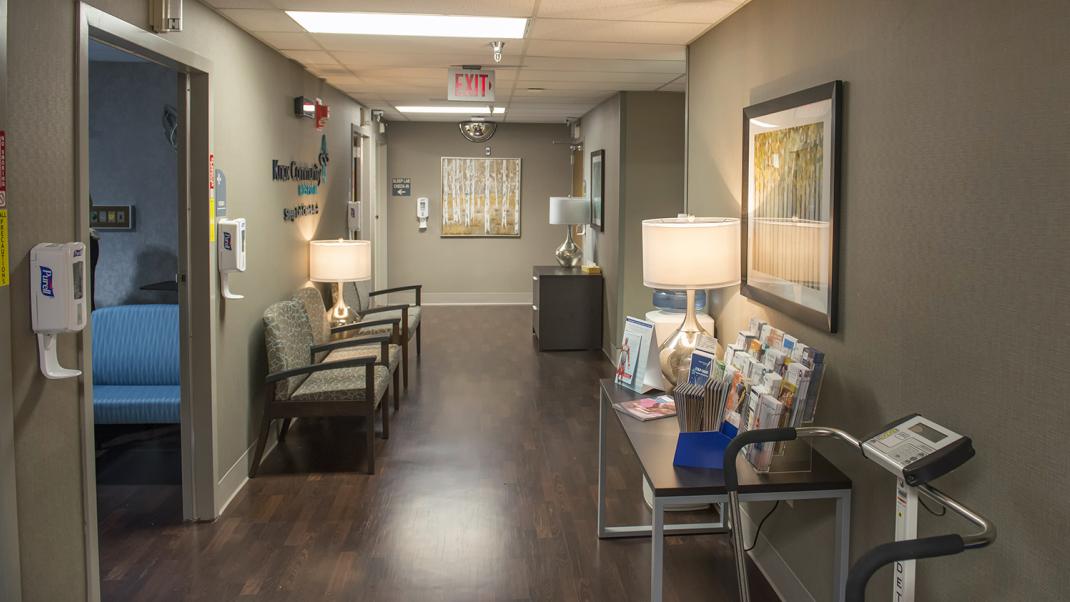
Sleep Lab Facilities
Our Sleep Lab features:
  • Comfortable, private sleeping rooms 
  • Sleep Number beds for customized comfort
  • Advanced diagnostic technology
  • Qualified sleep technologists
  • Accreditation by the American Society of Sleep Medicine

For more information, please call 740.393.9915

Our Location